Jandurvek
Jandurvek AR Gaming Education
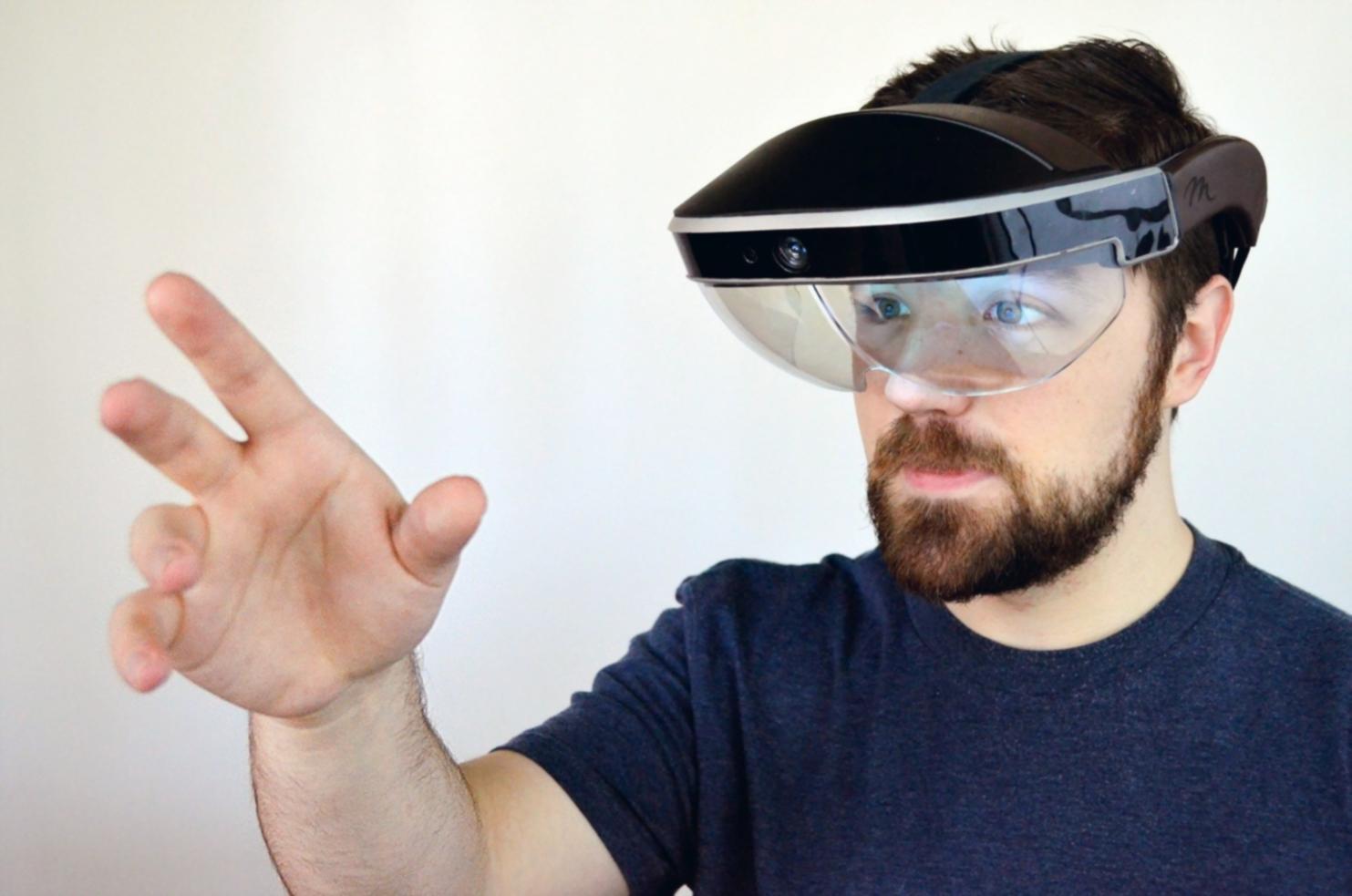
Augmented reality gaming environment with layered digital overlays
Augmented Reality in Gaming

Where the physical field becomes the play field

AR gaming sits at a point where spatial computing, real-time rendering, and player psychology converge. Jandurvek works through that intersection with people who want to understand it from the inside — not just consume it.

See the program
How it works here

The method, stated plainly

Most AR education splits into two camps: theoretical courses that never touch a game engine, or tutorials that show you what buttons to press without explaining why. Neither builds real understanding of why AR behaves differently in gaming contexts than in, say, industrial applications.

At Jandurvek, sessions are built around problems that don't have obvious answers — marker-based vs. markerless tracking tradeoffs, occlusion handling in fast-moving environments, latency compensation when the player's body is part of the interface. You work through those problems with an instructor and, depending on your path, alongside a small group facing the same questions from different angles.

The group format isn't there to fill seats. It exists because AR gaming problems benefit from multiple perspectives — a person coming from mobile development sees the same rendering challenge differently than someone from game design. That friction produces insight that solo study rarely generates.

01 Sessions built around specific technical problems, not topic surveys
02 Group and individual paths available — chosen based on your background and goals
03 Instructors who work in AR development, not only teach it
04 Adaptive pacing — the program adjusts when your understanding shifts
What it feels like to move through this

Three phases, honestly described

The experience isn't linear in the way a course syllabus suggests. It shifts texture as your confidence changes.

Learner orienting to AR development concepts in early sessions
Early weeks

Disorientation is part of it

AR gaming combines disciplines that don't usually sit together — computer vision, game physics, UX for embodied interaction. The first sessions are deliberately uncomfortable. You're not expected to have answers yet; you're expected to notice which questions feel important to you.

Mid-program session with focused technical problem-solving
Mid-program

Problems start having texture

By the middle stretch, you've built enough vocabulary to disagree with your instructor — which is when things get useful. You'll spend time on specific implementation challenges: depth estimation in outdoor environments, player fatigue from extended AR sessions, how different engines handle world anchoring.

Final project work applying AR gaming knowledge to a real scenario
Final stretch

Your own project as the test

The program closes with a project you define. It doesn't need to be finished — it needs to be honest. You're documenting your thinking, your technical decisions, and where the gaps still are. That record is more useful than a completed prototype you don't fully understand.

Group sessions

від 2 800 ₴ per month

Cohorts of four to eight people working through the same problem set. Sessions run twice weekly, each around 90 minutes. Group size is kept small enough that you're not invisible — your questions shape the session, not just the agenda.

Full program details

Individual path

від 5 400 ₴ per month

One-to-one sessions with an instructor, scheduled around your availability. The curriculum is shaped entirely by your background — what you already know determines what gets skipped, what gets extended, and what gets approached differently.

Full program details
Who does well here

Conditions for this to actually work

The program isn't selective in the gatekeeping sense — there's no entrance test. But certain conditions make it productive, and it's worth being honest about them before you commit time and money.

You don't need a game development background. Several participants have come from architecture, interactive media, or mobile app development and found the AR fundamentals transferred directly. What matters more is comfort with ambiguity — AR gaming is a field where the best practices are still being argued over, and sessions reflect that.

You do need to be able to set aside roughly six to eight hours per week. That includes session time, reading, and the kind of loose thinking that happens between sessions. People who treat it as a passive course — something to watch and absorb — tend to get less from it than those who come with specific frustrations they want to work through.

  • Curiosity about how AR systems fail, not just how they work when everything goes right
  • Willingness to share your thinking with a group, even when it's incomplete
  • Some prior exposure to spatial thinking — game design, 3D modeling, or even architecture helps
  • Access to a device capable of running ARCore or ARKit for hands-on work
Scale and reach

Numbers that give context

Not benchmarks or targets — just the shape of what's been built since 2016 and where it stands now.

340+ Participants completed Across group and individual programs since the platform launched
17 Live sessions per month Across all active cohorts, not counting individual scheduling
4 Instructors active Each with working experience in AR development, not only teaching credentials
8 Max group size Hard ceiling — cohorts don't grow beyond this regardless of demand
Daryna Voitenko, program participant
Daryna Voitenko Interactive media designer, Kyiv

The group format surprised me. I expected to be lost among people with deeper technical backgrounds, but the mix of perspectives made the sessions sharper, not harder to follow.

Maksym Hrytsenko Mobile developer, Odesa

I'd been reading about AR for two years before this. The individual path got me past the conceptual layer into actual implementation decisions within the first month.

4.2
Average rating across all programs Based on 102 participant reviews Read full reviews