Jandurvek
Jandurvek AR Gaming Education

About Jandurvek

Where augmented reality stops being a concept and starts being a skill

Jandurvek is an educational platform built around one specific territory: augmented reality as it lives inside games. We run sessions for people who want to understand AR from the inside — how it's designed, how it behaves, and how it changes what a game actually is.

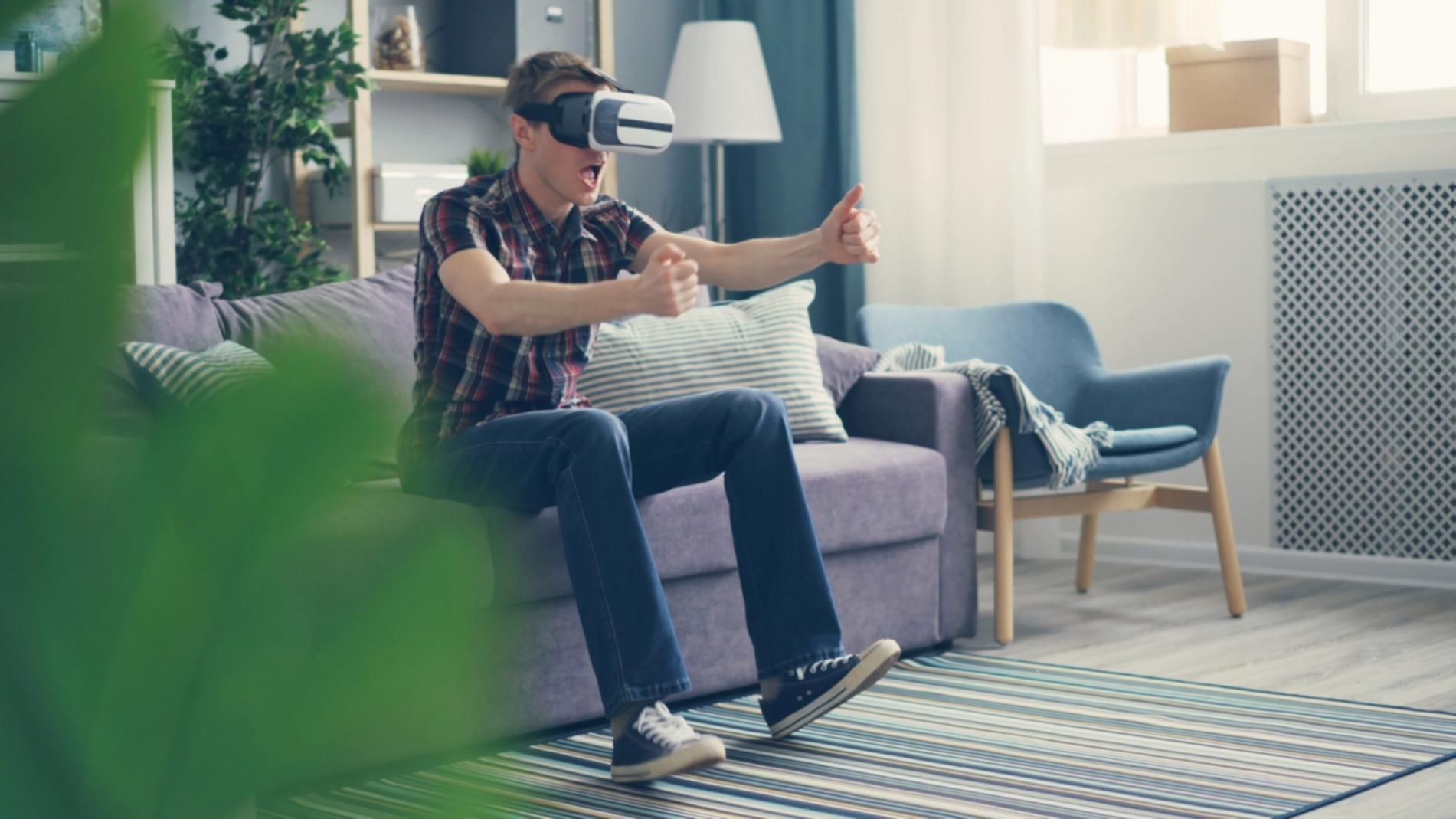
Augmented reality gaming environment with layered digital elements

AR in games is a genuinely strange field — part design, part engineering, part spatial psychology.

Most people who want to learn it end up piecing things together from documentation written for developers, research papers aimed at academics, and YouTube videos that skip the hard parts. There wasn't a clear path for someone who wanted to actually study it.

Jandurvek started in Mykolaiv as an attempt to fix that — a structured place where learners could work through AR gaming concepts with an instructor who could respond to what they didn't understand, not just deliver a pre-recorded lecture. The format mattered: real sessions, real questions, real feedback.


Students engaged in an interactive augmented reality session

Live sessions let learners test AR mechanics in context — pausing when something breaks to understand why

Operating since 2016 · Mykolaiv, Ukraine

The people here

Instructors who work inside the field

Darya Kovalchuk, Lead AR Curriculum Designer at Jandurvek

Darya Kovalchuk

Lead AR Curriculum Designer

Darya built the original curriculum structure and still teaches the core AR spatial design track. Her background is in game UX with a detour through computer vision research — which shows in how she explains the gap between what AR promises and what it actually renders.

Collaborative AR gaming design workshop in session
Group sessions work through shared AR builds — everyone sees the same problem from different angles
One-on-one instructor review of augmented reality game prototype
Individual sessions are slower and more precise — useful when a concept keeps slipping past
  • Sessions are kept small deliberately — group formats cap at twelve learners so instructors can actually track who's stuck and where
  • The learning path adapts based on what you're working toward — someone building an AR mobile game needs different depth than someone studying game design theory
  • Instructors are available between sessions for short follow-up questions — not a promise of instant replies, but a genuine expectation that confusion shouldn't wait until next week

What the platform looks like in numbers

These figures come from the platform's operational data — session records, learner feedback, and curriculum revision logs. They reflect what's actually happening, not a projected target. AR gaming as a subject is narrow enough that the numbers stay honest.

315 Learners rated us
4.9 Average rating
8 Curriculum tracks
12 Max group size
AR game mechanics being demonstrated in a live session
Live AR demo — learners interact with working prototypes during sessions
Detailed walkthrough of augmented reality overlay design in gaming
Overlay design walkthroughs — understanding how AR layers sit inside a game world

Sessions run live — no recordings replace the back-and-forth of a real question asked mid-concept